
The automotive industry is undergoing a significant transformation, and at the heart of this change is the rise of electric vehicles (EVs). As we enter 2024, electric cars are not just a trend—they are the future of eco-friendly driving. With growing concerns about climate change, rising fuel costs, and the increasing demand for sustainable solutions, EVs have become a crucial part of the solution. But why are electric cars so important, and how do they fit into the future of transportation?
In this blog, we’ll explore why electric cars are the way forward for eco-friendly driving, how the industry has evolved in 2024, and what you can expect from these vehicles in the coming years.
1. The Environmental Benefits of Electric Cars
One of the biggest reasons why electric cars are the future of eco-friendly driving is their ability to reduce harmful emissions. Traditional internal combustion engine (ICE) vehicles rely on gasoline or diesel, both of which release carbon dioxide (CO2) and other pollutants into the atmosphere. These emissions contribute to air pollution and climate change, and they can have harmful effects on human health.
Electric cars, on the other hand, produce zero tailpipe emissions. When charged using renewable energy sources like solar or wind power, they can operate with little to no environmental impact. Even when charged using electricity from the grid, which may come from a mix of fossil fuels and renewables, EVs still have a significantly lower carbon footprint than their gasoline-powered counterparts. As more renewable energy sources are integrated into power grids, the environmental impact of driving an electric car will continue to decrease.
In addition to reducing greenhouse gas emissions, electric cars also help reduce noise pollution. Traditional cars produce noise as a result of the engine, but electric cars are much quieter, contributing to a more peaceful and pleasant driving experience, especially in urban areas.
2. The Rise of Affordable and High-Performing EVs
In the past, electric cars were often considered expensive and limited in performance. However, the electric vehicle market has evolved rapidly, and 2024 is set to be a year of innovation and affordability. Many major automakers have introduced electric models that are not only more affordable but also offer impressive performance, driving range, and technology features.
For example, the Tesla Model 3, one of the most popular electric cars globally, offers excellent range, cutting-edge technology, and a smooth driving experience at a relatively affordable price point. Similarly, companies like Ford and Chevrolet have introduced electric versions of their iconic models, such as the Ford Mustang Mach-E and Chevrolet Bolt EV, offering a combination of affordability and impressive performance.
What’s more, the price of EV batteries has dropped significantly over the past decade, making electric cars more affordable for consumers. As battery technology continues to improve, we can expect prices to keep falling, making electric cars more accessible to a broader range of drivers.
3. The Expansion of EV Charging Infrastructure
A major concern for many prospective electric vehicle owners has been the availability of charging stations. In 2024, the landscape for EV charging is changing rapidly. Governments and private companies around the world are investing heavily in expanding charging infrastructure, making it easier and more convenient to charge an electric car.
In countries like the United States, Europe, and China, the number of public charging stations has grown exponentially. There are now more than 1.5 million public charging points worldwide, and this number is expected to keep growing. In addition to public charging stations, many car owners now have the option to install a home charger, allowing them to charge their vehicle overnight.
The development of fast-charging technology is also making EVs more practical for long trips. With the rise of ultra-fast chargers that can recharge an electric car to 80% in as little as 30 minutes, driving an EV is becoming just as convenient as refueling a gasoline-powered car.
4. EVs and the Shift Toward Renewable Energy
As we look to the future, one of the most exciting aspects of the electric car revolution is the potential for synergy with renewable energy sources. The transition to electric vehicles is not just about replacing gas-powered cars with electric ones—it’s also about integrating those vehicles into a larger, sustainable energy ecosystem.
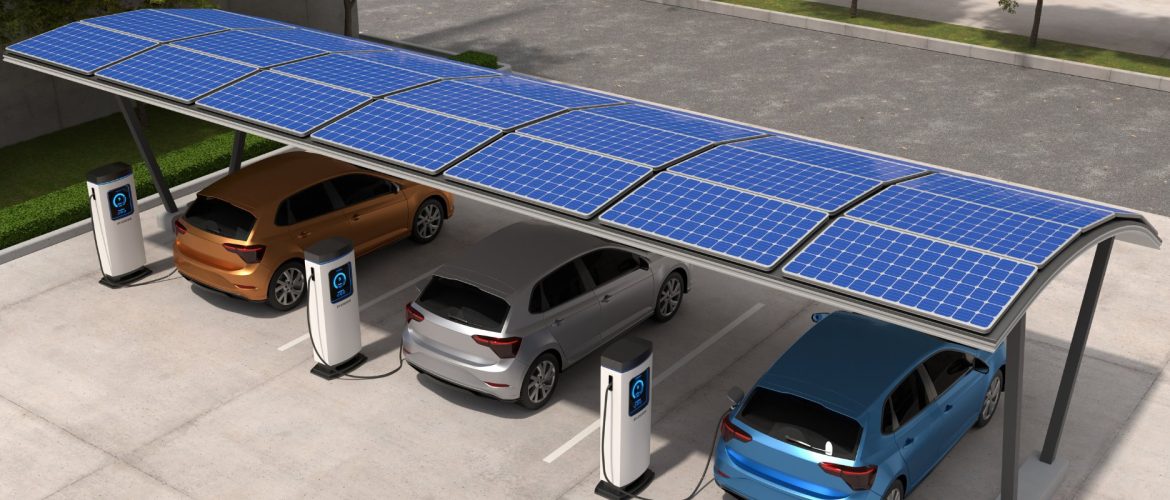
In many regions, renewable energy sources like solar and wind power are becoming more widespread, and these clean energy sources are a perfect match for electric vehicles. For example, solar panels on a home can be used to charge an electric car, creating a completely carbon-neutral driving experience.
Some automakers are already exploring innovative ways to make their EVs work with renewable energy. Tesla, for example, offers solar panels and Powerwall battery systems that allow EV owners to generate their own clean energy at home. This “green” energy ecosystem reduces dependence on fossil fuels and creates a sustainable solution for both transportation and home energy needs.
5. The Role of Government Policies and Incentives
Governments around the world are increasingly recognizing the importance of electric cars in reducing emissions and promoting sustainability. In 2024, several countries have introduced policies and incentives to encourage the adoption of electric vehicles.
In the United States, the federal government offers tax credits of up to $7,500 for qualifying electric vehicle purchases. Additionally, many states have implemented their own incentives, such as rebates, tax breaks, and access to carpool lanes. Similarly, European countries like Norway, the Netherlands, and the UK offer significant financial incentives, including tax exemptions and reduced registration fees for electric car owners.
These policies make electric cars more affordable and attractive for consumers, further accelerating the shift toward eco-friendly driving.
6. The Future of Electric Cars: What to Expect in 2025 and Beyond
As we look beyond 2024, the future of electric cars appears even brighter. In the coming years, we can expect several exciting developments in the EV market:
- Better Battery Technology: New battery technologies, such as solid-state batteries, promise to improve energy density, reduce charging times, and increase driving range even further.
- Autonomous Driving: Many electric vehicles are already equipped with advanced driver-assist features, and in the future, self-driving capabilities will become more prevalent.
- More Affordable Models: As production scales and technology advances, we expect even more affordable electric vehicles to hit the market, making them accessible to more consumers.
- Sustainability Integration: In the future, electric vehicles will not only be sustainable in their use but also in their production, with automakers increasingly focusing on using renewable materials and recyclable components.
Conclusion: Embracing the Future of Eco-Friendly Driving
Electric cars are not just the future—they are the present. With impressive technological advancements, increasing affordability, and a strong focus on sustainability, electric vehicles are quickly becoming the ideal choice for eco-friendly driving. The shift toward EVs is already transforming the automotive industry, and as more drivers make the switch to electric, the positive impact on the environment will continue to grow.
At Logix Across Cars, we’re excited to be part of this movement toward a greener future. Whether you’re looking to purchase your first electric car or upgrade to a newer, more efficient model, we offer a wide range of electric vehicles that are both environmentally friendly and performance-driven. Contact us today to learn more about the best electric car options available in 2024 and how you can be part of the eco-friendly driving revolution!