
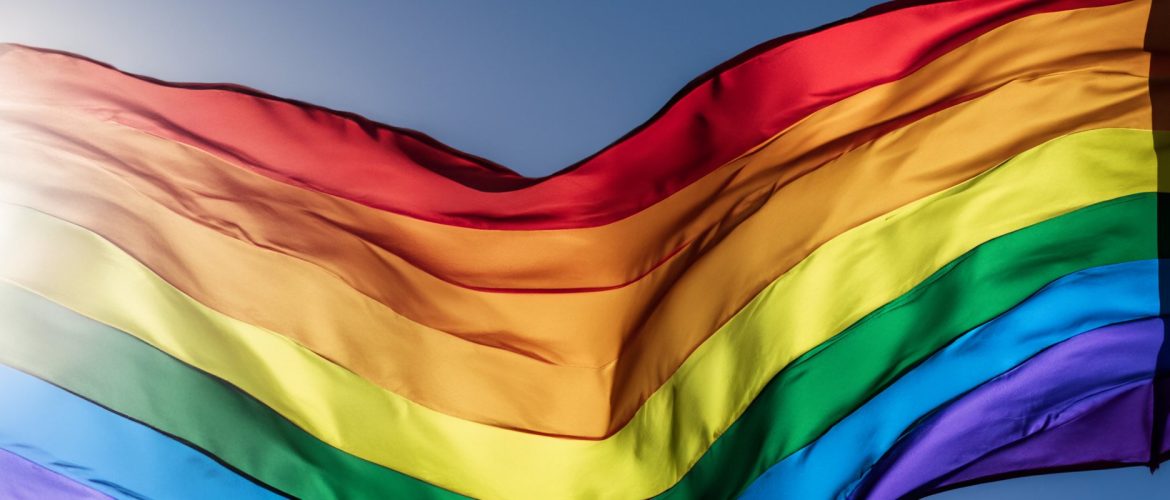
As we kick off Pride Month, it’s a moment to reflect on the strides the LGBTQ+ community has made across various industries, including the automotive sector. In a world where inclusivity and diversity are more important than ever, the automotive industry has been evolving to better reflect and support the diverse identities and experiences of its customers, employees, and partners.
The push for LGBTQ+ acceptance in the automotive world is a critical aspect of creating more inclusive spaces. In this blog, we explore how the automotive industry is evolving to be more LGBTQ+-friendly and why these changes matter for consumers, employees, and the industry as a whole.
The Automotive Industry’s Shift Toward Inclusivity
Over the past decade, the automotive sector has taken significant steps toward embracing inclusivity and diversity. While the focus on LGBTQ+ rights and representation has been growing in many industries, the automotive sector has also begun to recognize the importance of making vehicles, brands, and work environments more welcoming to all individuals—regardless of sexual orientation or gender identity.
Progress in Advertising and Marketing:
Many car manufacturers have moved beyond token representation, offering marketing campaigns that reflect the diversity of modern-day society. For instance, automakers like Ford, Chevrolet, and Toyota have made strides by showcasing LGBTQ+ individuals and couples in their advertisements, showing that their vehicles are meant for everyone, no matter their gender identity or sexual orientation.
Creating LGBTQ+ Friendly Work Environments:
The shift toward acceptance in the automotive industry is also evident in corporate culture. Many top automakers are committed to providing safe and inclusive work environments for LGBTQ+ employees. Some companies have even implemented LGBTQ+ resource groups and partnered with organizations like the Human Rights Campaign (HRC) to ensure their practices meet high standards for equality.
Ford, for example, has been a leader in promoting inclusivity in the workplace, not just in the U.S. but globally. Their commitment includes offering benefits like healthcare coverage for same-sex partners and gender-affirming care for transgender employees, as well as creating an open, supportive environment where LGBTQ+ employees can thrive.
LGBTQ+ Focused Car Brands and Initiatives
Several automakers have shown their commitment to the LGBTQ+ community by launching specific initiatives or becoming allies through partnerships with LGBTQ+ organizations. These steps are paving the way for more inclusive policies in the industry, not just during Pride Month, but year-round.
Volkswagen’s Support for LGBTQ+ Rights:
Volkswagen has been a vocal supporter of LGBTQ+ rights, particularly in the global market. Their commitment to diversity is reflected in their marketing, product launches, and internal initiatives. In recent years, the company has aligned itself with several LGBTQ+ advocacy groups and has participated in Pride events worldwide.
The ‘It Gets Better’ Campaign by Chevrolet:
Chevrolet’s involvement in the ‘It Gets Better’ campaign—a movement that supports LGBTQ+ youth—further solidified their dedication to equality. By engaging in campaigns that reach out to marginalized communities, automakers like Chevrolet are showing that they value not just their customers, but also the broader social impact of their operations.
Pride Car Colors and Special Editions:
In some cases, car brands have designed special edition vehicles to celebrate LGBTQ+ pride. These limited-edition cars may feature rainbow decals, unique color schemes, or special badges to show support for the community. These vehicles not only promote awareness of LGBTQ+ issues but also serve as symbols of support and solidarity.
Why LGBTQ+ Acceptance in the Automotive Sector Matters
- Representation and Visibility
In a world where representation matters, seeing diverse identities in car ads, on the road, and in corporate settings helps create a sense of belonging for the LGBTQ+ community. People want to feel that the products they buy and the companies they interact with respect and support them, and the automotive sector is no exception. - Inclusive Hiring Practices
When companies in the automotive industry implement inclusive hiring practices, they create more diverse teams that bring fresh perspectives. Having an LGBTQ+ inclusive workforce also means that employees can bring their whole selves to work, which promotes job satisfaction, engagement, and retention. It’s not just good for the employees—it’s good for the company. - Building Consumer Loyalty
LGBTQ+ consumers are an important and growing demographic. As many consumers today choose brands based on their values and commitment to social justice, automakers that show visible support for the LGBTQ+ community can attract and retain loyal customers. More and more, consumers are seeking out companies that align with their values, and LGBTQ+ inclusivity is a huge factor in that decision. - Encouraging Industry-Wide Change
LGBTQ+ acceptance in the automotive sector doesn’t just impact the brands leading the way—it sends a message to the entire industry. By creating a ripple effect of inclusivity, more automakers are encouraged to follow suit, and the industry as a whole can move closer to embracing diversity in all its forms.
Challenges Still Ahead for the Automotive Sector
While the automotive industry has made significant strides toward LGBTQ+ inclusivity, there is still work to be done. Some areas where progress is still needed include:
- Addressing Gender Identity in Vehicle Design:
Cars and vehicles, particularly those designed for families or work, could benefit from a deeper understanding of non-traditional family dynamics and the needs of LGBTQ+ families. There is an opportunity for automakers to design vehicles that take into consideration the diverse types of family structures that exist today. - Increasing Representation in Executive Roles:
The representation of LGBTQ+ individuals in executive and leadership roles within automakers is still relatively low. Progress toward inclusive leadership teams will help drive more equitable policies and practices across the industry. - Global Considerations for LGBTQ+ Rights:
While many automotive companies have taken steps toward LGBTQ+ inclusivity in countries where laws support LGBTQ+ rights, more work is needed in regions where legal and cultural frameworks may not be as supportive. The automotive industry has an opportunity to advocate for LGBTQ+ rights on a global scale, using its international influence to drive positive change.
Conclusion: Moving Toward a More Inclusive Future
As Pride Month begins, it’s a good time to reflect on how far the automotive industry has come in embracing LGBTQ+ individuals. From inclusive advertising and internal policies to LGBTQ+ partnerships and special edition vehicles, the automotive sector is becoming a more welcoming space for everyone.
However, the journey doesn’t end here. There is still work to be done in creating a truly inclusive industry, from addressing gender identity in vehicle design to increasing LGBTQ+ representation in leadership positions.
At Logix Across Cars, we believe that diversity and inclusivity are essential for creating a future where everyone, regardless of gender identity or sexual orientation, feels valued and supported. As we celebrate Pride Month, let’s continue to push for progress in every sector—including the automotive industry—because the road to equality is one we should all drive together.
Happy Pride! 🌈